Work
A selection of past projects and products that I have worked on in different capacities: strategy, product management, software architecture & development.

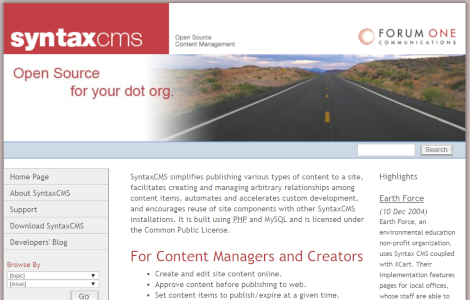

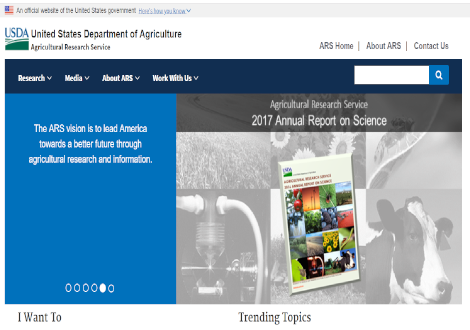
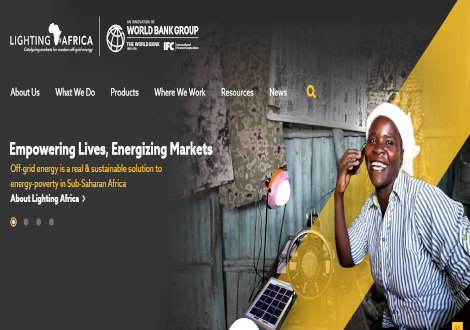
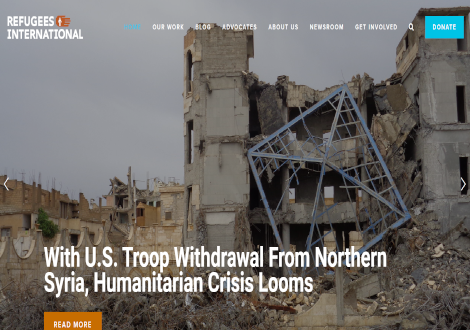
Note: many of the projects listed were for clients of Forum One Communications
Effective planning is an iterative process that requires clear communications. Agile planning is one of my core strengths.
Many problems can be avoided by making the most appropriate and cost-effective technology decisions. Choose the right tool for the job.
Low operating costs coupled with highly competitive rates allow me to provide low cost, maintainable, and high quality solutions to you.
Note: many of the projects listed were for clients of Forum One Communications
“Nyk’s knowledge of software and the web is far reaching and insightful. He knows the internals of software development, solves problems creatively, and is able to interpret user needs and translate them to technical solutions. A great mix of skills.”

Dave Witzel, Director RASA Director of Conspiration
“I always admired Nyk’s ability to quickly create innovative technical architectures. His attention to detail, and ability to understand and solve complex IT problems were great assets to our projects. I also appreciate how Nyk was always willing to share knowledge with his peers.”

América Montañez, Senior Strategist Senior Strategist (Brand, Product, UX)
“Nyk was both strong at programming interactive, database-driven sites and the analysis of the complexity of projects. In addition to being a great technical lead at Forum One, when I was later his client at the World Bank, he showed great patience in the various delays that the project encountered.”

David Hobbs, Consultant & Author Website Transformation Consultant
Full-stack web application development: HTML5 & CSS3, JavaScript (React & AngularJS) on the front-end, and NodeJS, PHP (Drupal & Wordpress), Java (J2EE & JBoss), Ruby and Python on the backend. Cloud deployment (AWS, Azure, etc.) is easy!
Complementary to full-stack web application development is cross-platform (Android & iOS) mobile application development using: Microsoft Xamarin (C#.NET), Google Dart with the Flutter platform, and React Native.
The powerful tools of C/C++ that have been the tour de force for high performance systems software for decades have inspired a new generation of safer high-performance languages like Mozilla’s Rust and Google’s Go languages.
Business growth tends to proceed at a faster pace than the infrastructure designed to support it. As different groups implement systems to support their operations a need emerges to integrate these diverse systems rather than to totally rebuild.
As the information flow into an organization increases and the cost of collecting data decreases there is a great opportunity to mine data flows and detect meaningful trends. Data mining, analysis and visualization exposes these trends to decision makers
Whether it is designing self-driving cars, expert systems or recommendation services the field of machine learning uses statistical and mathematical learning models to create predictive and adaptive information systems that learn from a flow of data.

A software professional with over 25 years experience in the industry. Currently living in the "digital nomad capital of Asia": the lovely city of Chiang Mai in Northern Thailand.